Find the right welder for you
Take our product quiz to find out what welder will meet your needs.

Take our product quiz to find out what welder will meet your needs.
Precision welding for medical device manufacturing, prototyping, and production.
Medical devices often contain some of the smallest, most complex, and highest-value components in manufacturing. Whether producing implantable devices, surgical instruments, diagnostic equipment, catheters, sensors, wearable technologies, or battery-powered electronics, manufacturers need joining processes that protect critical device performance.
Sunstone® provides laser welding, pulse arc welding, and resistance welding systems for medical device manufacturers working with miniature components, delicate conductors, thin materials, and complex assemblies.
These technologies support medical device development and production where excessive heat, mechanical stress, inconsistent welds, or poor process control can compromise quality, functionality, or long-term performance.
Need help evaluating a medical device welding application?
Talk with Sunstone® about your materials, component size, production stage, validation needs, and joining requirements.
Medical device welding is the process of joining small, precise, and often high-value components used in medical products. These applications can include implant housings, catheter components, guidewires, surgical instrument tips, medical sensors, battery tabs, fine wires, electronic interconnects, and diagnostic assemblies.
Unlike traditional fabrication, medical device manufacturing frequently involves miniature parts, thin materials, fine conductors, sensitive assemblies, and strict quality requirements. Manufacturers often need welding processes that deliver controlled energy, repeatable results, and minimal thermal impact.
Sunstone® supports medical device manufacturers throughout the product lifecycle, from research and development through production. Laser welding, pulse arc welding, and precision resistance welding each offer different advantages depending on the device design, material combination, weld geometry, and production requirement.
Sunstone® is a strong fit when a manufacturer needs to join small, delicate, or high-value components without compromising the surrounding assembly.
These applications often show up in implantable devices, surgical instruments, catheters, guidewires, sensors, medical electronics, battery-powered devices, diagnostic equipment, and R&D programs. Some projects require a tightly controlled production process. Others need flexible welding tools for prototyping, repair, testing, or product refinement.
Sunstone® is best suited for medical device applications that require precise energy control, small weld placement, repeatable results, and minimal impact to surrounding components.
Medical device manufacturers often work with parts and assemblies that leave little room for error. Small changes in heat input, weld placement, force, or process consistency can affect fit, function, appearance, or reliability.
Because medical devices often combine small geometries with strict quality expectations, early process development is important. The goal is to identify the welding technology and parameters that fit the specific device, material, and production requirement.
Medical device welding needs vary by device type, material, and production stage. Some applications require sealed metal housings, some require precise electrical connections, and others require flexible tools for prototyping, repair, or product development.
Implantable devices require exceptionally reliable welds because product performance can directly affect patient outcomes. Pacemakers, neurostimulators, implantable monitoring devices, and other electronic implants often contain miniature welded components that must remain stable for years of operation.
Common materials include titanium, stainless steel, platinum, platinum-iridium, nickel alloys, and cobalt-chromium alloys. Parts being joined may include implant housings, electrical feedthrough components, battery connections, internal assemblies, and sensor components.
Laser welding is frequently used for implantable medical devices because it provides precise energy delivery, small heat-affected zones, and strong process repeatability.
Modern catheter systems often incorporate miniature metallic components that require precise joining without affecting surrounding materials. These applications must accommodate extremely small geometries while maintaining dimensional accuracy and functional performance.
Common materials include stainless steel, nitinol, platinum alloys, and fine wire conductors. Parts being joined may include marker bands, guidewire components, catheter assemblies, sensor connections, and distal tip assemblies.
For these applications, the joining process must match the material, part geometry, weld access, and performance requirements of the finished device.
Surgical instruments require strong, repeatable welds while maintaining tight tolerances and cosmetic quality. These applications may involve stainless steel, titanium, specialty medical alloys, instrument tips, graspers, cutting components, articulating mechanisms, and other precision assemblies.
Laser welding and pulse arc welding can both support controlled energy delivery for surgical instrument manufacturing. The right process depends on part size, material, access, cosmetic requirements, and whether the work is production manufacturing, repair, or product development.
Many modern medical devices rely on compact electronics, sensors, and battery-powered systems. These assemblies often require reliable electrical connections in small spaces.
Applications may include sensor leads, probe assemblies, monitoring devices, diagnostic components, battery tabs, sensor wiring, circuit components, electronic interconnects, and power delivery systems. Common materials include fine wire, platinum, stainless steel, nickel alloys, nickel, copper, battery materials, and other fine conductors.
Precision resistance welding is often a strong fit for fine wires, miniature conductors, battery connections, and medical electronics where controlled electrical joining is required.
Diagnostic devices frequently combine precision mechanics with sophisticated electronics. Manufacturers may need to join analytical instruments, laboratory sensors, monitoring equipment, diagnostic assemblies, and precision electronic materials without compromising device performance.
Common materials include stainless steel, titanium, nickel alloys, and precision electronic materials. These applications can vary widely, so welding process selection should be based on the component size, material stack, required precision, and production environment.
Engineering teams developing next-generation medical devices often need flexible welding tools that support rapid iteration, testing, repair, and design refinement.
These applications may involve medical-grade alloys, fine wires, titanium, stainless steel, prototype assemblies, development devices, validation units, and experimental components.
Pulse arc welding is especially useful during development because it gives engineers flexibility when creating, modifying, or repairing precision assemblies. Resistance welding and laser welding may also be used depending on the material, joint type, and production goals.
Medical device applications require welding processes that can join small parts while protecting adjacent materials and preserving device function. This is why controlled energy delivery matters.
Laser welding, pulse arc welding, and resistance welding each provide a way to focus energy at the joint rather than applying broad heat across the assembly. This helps manufacturers work with miniature components, thin materials, fine wires, and sensitive assemblies.
The best process depends on the application. Laser welding is often preferred for precision metal assemblies and implantable devices. Resistance welding is commonly used for fine wires, battery tabs, sensors, and miniature electrical assemblies. Pulse arc welding is useful for prototyping, repair, and specialized precision assemblies.
The right welding technology depends on the device, material, component size, production volume, weld geometry, and development stage. Sunstone® helps medical device manufacturers evaluate the application first, then match the process to the requirement.
Laser Welding
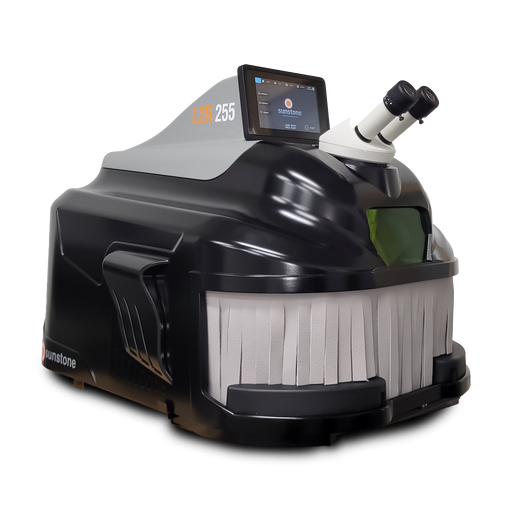
Laser welding is often a strong fit for implantable devices, medical housings, catheters, precision metal assemblies, and production manufacturing where small heat-affected zones and repeatable weld placement matter.
Automated Laser Welding
Automated laser welding can support higher-volume medical manufacturing, repeatable production processes, and precision assembly operations where consistency and throughput are important.
Pulse Arc Welding
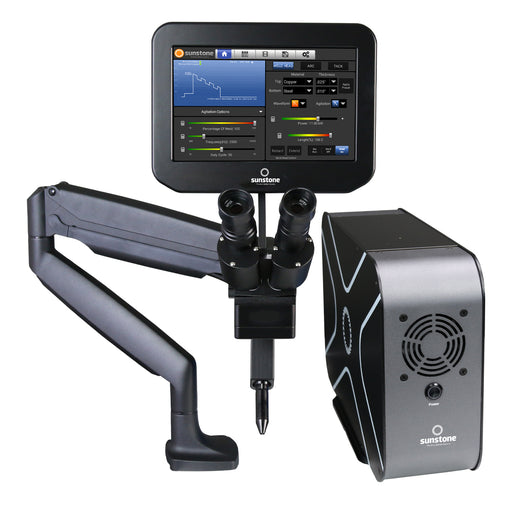
Pulse arc welding is useful for product development, prototype manufacturing, device repair, engineering laboratories, and specialized precision assemblies that require controlled, flexible weld placement.
Resistance Welding
Resistance welding is commonly used for fine wire welding, medical electronics, battery connections, sensor manufacturing, and miniature electrical assemblies where controlled electrical joining is required.
Capacitor Discharge Welding
Capacitor discharge welding can support battery assembly, electrical interconnects, precision conductive materials, and production applications where localized energy delivery and repeatable weld quality are needed.
Sunstone® works with medical device manufacturers throughout product development and production.
Support can include application evaluation, weld testing, process development, equipment recommendations, sample production, parameter optimization, and production implementation support.
Whether developing a new implantable device or scaling an established production process, Sunstone® application engineering team can help identify the best welding solution for the application.
Review your medical device welding application with Sunstone®.
Share your materials, component size, production goals, and process requirements with an application engineer.
The best process depends on the application. Laser welding is often preferred for precision metal assemblies, resistance welding is commonly used for electronics and battery connections, and pulse arc welding is frequently used for prototyping, repair, and specialized assemblies.
Yes. Titanium is commonly welded using laser and pulse arc welding processes for implantable devices, surgical instruments, and medical housings.
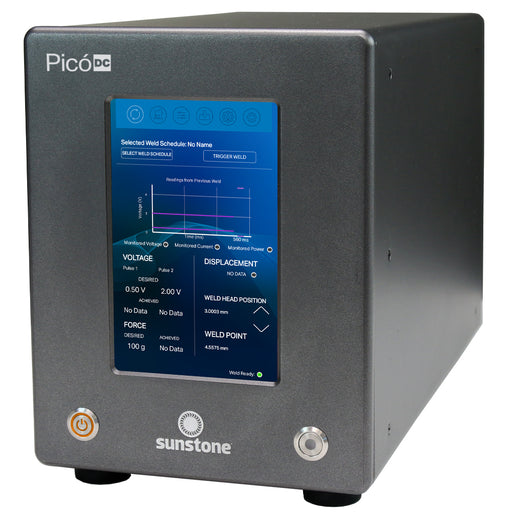
The PICO DC and Sunstone® resistance welding systems are strong choices for fine wires, battery tabs, sensors, and miniature electrical assemblies.
Yes. Laser welding is widely used for implantable medical devices because it offers precise energy control, small heat-affected zones, and excellent repeatability.
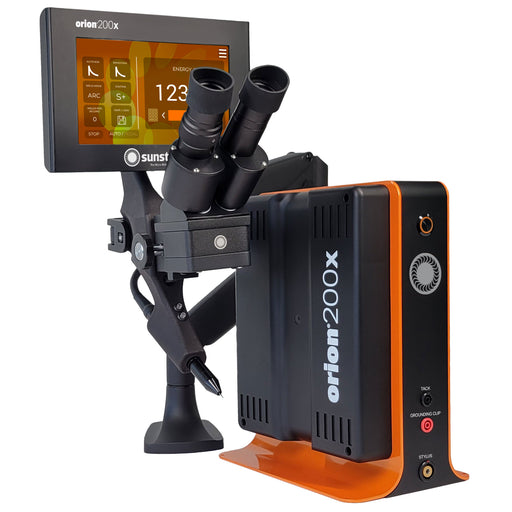
The Orion® 200x is often a strong choice for medical device development because it allows engineers to create, modify, and repair precision assemblies.
Yes. Sunstone® offers solutions ranging from engineering and development tools to automated laser welding systems designed for production manufacturing.
Good-fit applications include implantable medical devices, surgical instruments, catheters, guidewires, diagnostic equipment, medical sensors, wearable medical devices, medical electronics, battery-powered medical devices, and R&D programs.
Medical device welding requirements vary by material, component size, device function, validation needs, production volume, and automation requirements.
Sunstone® helps manufacturers evaluate the application, test welds, select the right technology, and support the path from development to production.
What are you welding today?
Call or text Sunstone® at +1-801-658-0015, or submit your application details online.
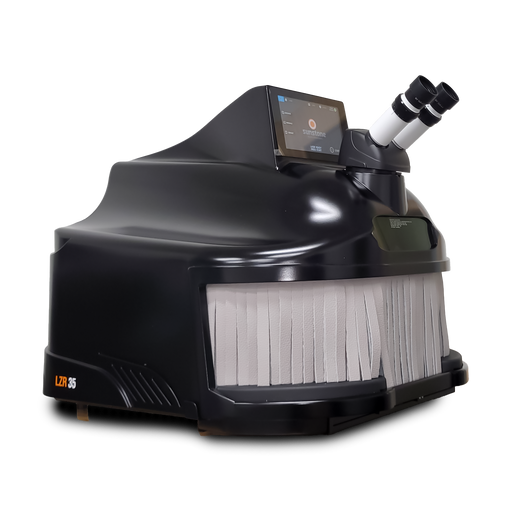
The Orion® LZR ECO: Precision Laser Welding at a Budget Price With the ECO version of the Orion LZR benchtop laser welder line, you’ll work faster,...
View full detailsThe Picó DC® Closed-loop Feedback Resistance Welder The Sunstone Pico DC is an advanced, closed-loop feedback direct-current resistance welder spe...
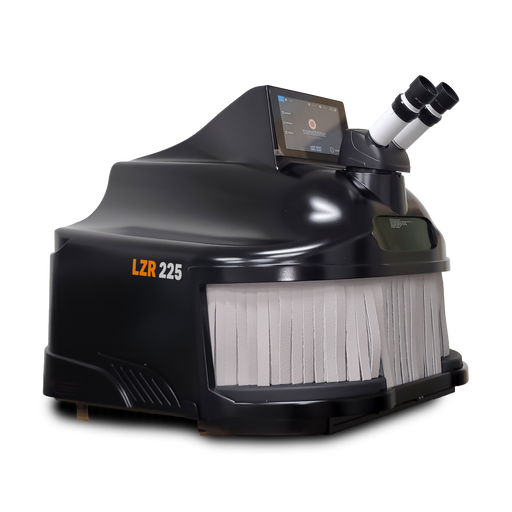
View full detailsThe Orion LZR: More Premium Features without the Cost! An Orion laser micro welder from Sunstone lets you accomplish extraordinary welds in the mos...
View full detailsOrion 200x Pulse Arc Welder Precision Micro Welding for Small Parts Without the Cost or Complexity of Laser The Orion 200x is a high-capability pu...
View full detailsOrion® LZR 300 Pro Max Stable, High-Energy Laser Welding for Consistent Production Results The LZR 300 Pro Max delivers precise, repeatable laser w...
View full detailsThe Orion® LZR Select: All of the Precision You Expect from a Laser Welder With the Select version of the Orion LZR benchtop laser welder line, you...
View full detailsThe Orion® LZR PRO Benchtop Laser Welder: Get Ready for an Exceptional Laser Welding Experience! With the PRO version of the Orion LZR benchtop las...
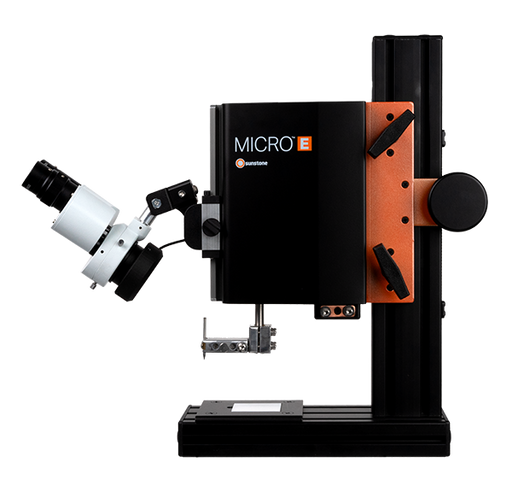
View full detailsSunstone Micro E Weld Head The Sunstone Micro E is an electromagnetic linear motion weld head engineered for ultra-high welding results at the micr...
View full detailsPA250i Micro TIG Welder Maximum Power!The most powerful Sunstone pulse arc welder delivers 250 joules of energy with precision and accuracy When yo...
View full details